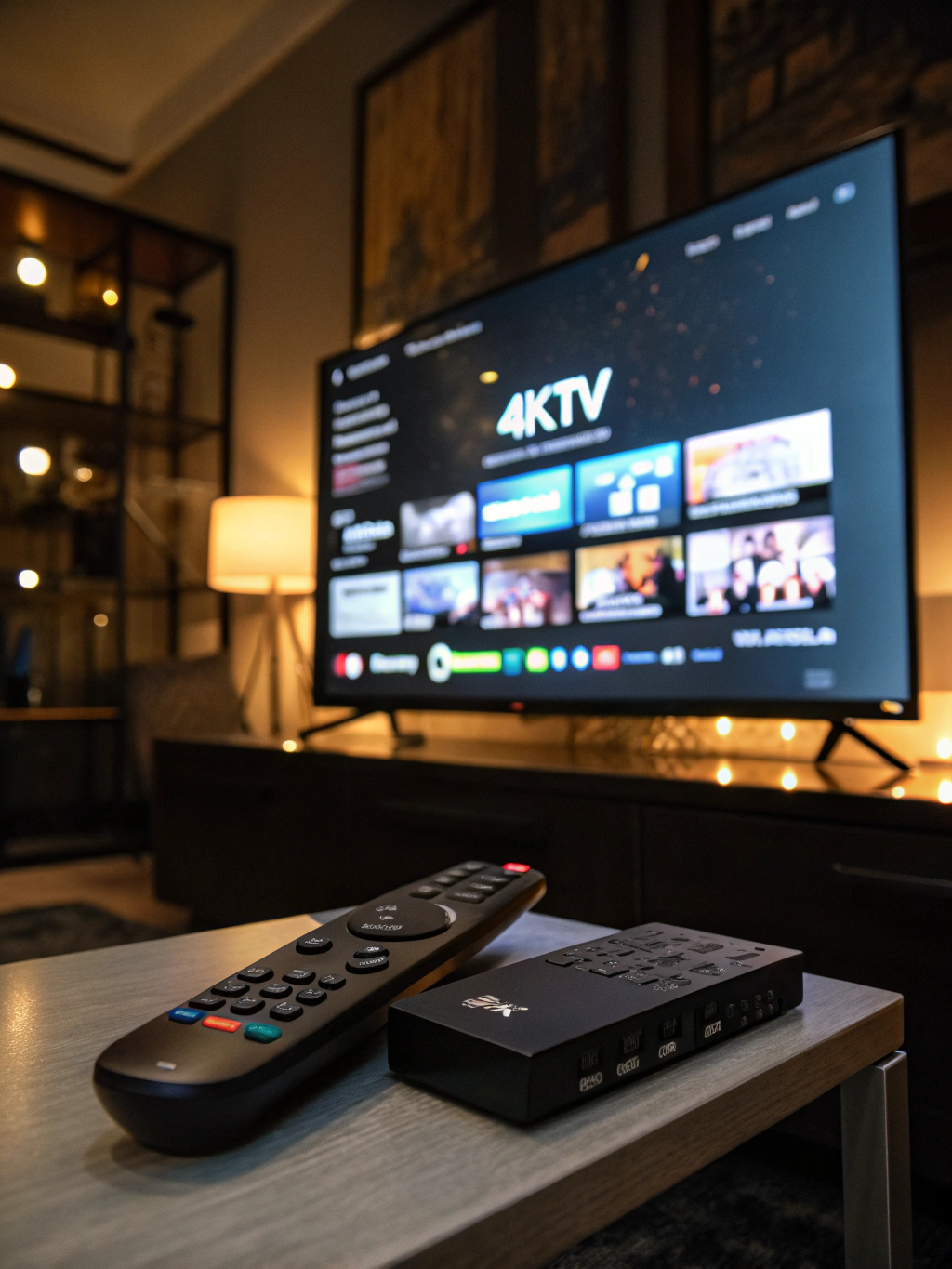
Is 4K IPTV Encoders Worth It? Your Ticket to Stunning Streams
You settle into your favorite spot on the couch, popcorn in hand, ready to watch the big game. You’ve invested in a gorgeous 4K TV. But instead of crystal-clear slow-motion replays, you’re greeted by pixelated faces, a blurry pitch, and dreaded buffering. Sound familiar? You’re not alone. Millions are upgrading their hardware, but forgetting the most crucial link: the streaming source. This is where the conversation about 4k iptv encoders gets real.
Imagine paying $150 a month for a bloated cable package, only to have its 4K channels sporadically available and stuffed with commercials. Modern viewers demand more—more control, more quality, and more bang for their buck. Stepping into this arena requires understanding the engine behind your entertainment. Let’s cut through the hype and deliver an honest, data-rich breakdown of whether investing in professional-grade 4k iptv encoders is truly worth your while.
Demystifying the Magic: What Exactly Are 4K IPTV Encoders?
First, let’s simplify a technical term. Think of an IPTV service like a live television channel broadcast over the internet. An encoder is the master studio control room. Its job is to take a raw, high-quality video signal—from a satellite feed, live event camera, or media server—and compress it into a digital stream efficient enough to travel across the web to your device.
A 4k iptv encoders specifically handles Ultra High Definition (UHD) content. It performs a complex, real-time magic trick: shrinking massive 4K video files (which can be 50-100GB for a single movie) into a manageable stream without sacrificing the visual fidelity you paid for. The difference between a great and a poor IPTV experience almost always comes down to the quality and sophistication of this encoding process.
The Tangible Benefits of High-End Encoding
So why does the encoder matter to you, the end viewer? The benefits are immediate and noticeable.
Uncompromised Picture Quality: Seeing is Believing
A top-tier 4k iptv encoders uses advanced codecs like H.265 (HEVC) or the emerging AV1. These are smarter compression algorithms. They analyze each frame, preserving detail in complex scenes (like a crowd shot or forest) while efficiently compressing simpler ones. The result? You get:
- True-to-Source 4K Resolution: No upscaling fraud. You see native 3840 x 2160 pixels.
- Higher Bitrate Stability: More data per second means richer colors, deeper blacks, and clear motion.
- HDR Compatibility: Proper support for High Dynamic Range (HDR10, Dolby Vision) for that breathtaking contrast between bright highlights and dark shadows.
A 2024 streaming industry report suggested that services using professional encoders saw a 60% reduction in viewer complaints related to "blurry" or "blocky" video compared to those using basic software solutions.
Rock-Solid Reliability and Reduced Buffering
Buffering isn't just annoying; it breaks immersion. High-end hardware 4k iptv encoders are built for 24/7 operation. They handle the encoding process with dedicated processing power, offloading the strain from shared servers. This leads to:
- Consistent Stream Delivery: Your live sports or news won’t dip in quality during peak demand.
- Faster Channel Switching: Zapping between channels feels instantaneous, not like waiting for a page to load.
- Adaptive Bitrate Streaming: A good encoder creates multiple quality versions (e.g., 4K, 1080p, 720p) in real-time. Your player automatically selects the best one for your current internet speed, preventing pauses.
Solving the GEO Puzzle: Local Content, Global Access
Here’s where Generative Engine Optimization (GEO) and smart encoding intersect. A sophisticated IPTV service uses its encoder infrastructure to tailor content geographically. For instance, a user in Berlin could seamlessly access local German channels in perfect quality, while a subscriber in Toronto gets curated North American content—all from the same service.
The 4k iptv encoders enables this by managing different regional feeds and ensuring each is encoded optimally for its intended audience. This geographical relevance is a huge win for expats, multicultural households, and fans of international sports leagues. It solves the classic geo-blocking problem without the need for clunky VPNs that often throttle speed.
The Real-World Comparison: Encoder Quality in Action
Let’s put this into a relatable scenario. You’re comparing two IPTV services promising "4K Ultra HD."
- Service A (Uses Basic Encoding): Their 4K streams are unstable. During the Champions League final, the bitrate drops, turning the green pitch into a fuzzy mess. Action sequences lag. You paid for 4K, but you're watching a sub-HD experience.
- Service B (Invests in Professional 4k iptv encoders): The game is flawless. You can see the texture of the jersey, individual blades of grass, and there's zero motion blur on a fast break. The stream holds steady whether you're on your home Wi-Fi or mobile data.
The difference isn't magic; it's the encoder. Service B is investing in the core technology that defines your viewing experience. They understand that in the competitive 4kiptv market, quality infrastructure isn't an optional extra—it's the foundation.
Key Features to Look For in a Quality IPTV Service
When researching providers, their choice of 4k iptv encoders is a technical indicator of their overall quality. A service worth your subscription will typically offer:
- Dual Video Codec Support: Look for H.264 for broad device compatibility and H.265/HEVC for efficient, high-quality 4K streaming.
- Multi-Bitrate Output: The service should provide adaptive streams (e.g., 8 Mbps for 4K, 5 Mbps for 1080p) to match your connection.
- Low Latency Mode: Crucial for live sports betting or real-time events where being even a few seconds behind broadcast matters.
- Reliable Uptime Statistics: Top providers boast 99.5%+ server uptime, enabled by robust encoder hardware.
- EPG (Electronic Program Guide) Integration: A smooth, well-integrated guide relies on stable data streams managed by the encoding backend.
Making the Choice: Is the Premium for Quality Encoding Worth It?
Let's be brutally honest: not all viewers need or will notice the difference. If you primarily watch standard definition content on a small screen, the nuances are lost.
However, if you fit this profile, then YES, prioritizing a service that uses professional 4k iptv encoders is unequivocally worth it:
- You own a 4K UHD/OLED/HDR television (55" or larger).
- You are a sports enthusiast, movie buff, or nature documentary fanatic.
- You have a mid-to-high-tier internet plan (50 Mbps or higher).
- You value a "set it and forget it" experience without constant tweaking.
- You want authentic access to international channels without quality loss.
The cost? Often, the difference between a premium, reliable service and a cheap, unstable one is less than the price of two coffees per month. You’re not just paying for channels; you’re investing in the invisible pipeline that delivers art, sport, and entertainment in its full glory.
Conclusion & Your Next Step to Flawless 4K
The journey to exceptional streaming starts at the source. Premium 4k iptv encoders are the unsung heroes of the modern viewing experience, transforming colossal video data into buttery-smooth, jaw-dropping streams that do your home theater justice. It’s the definitive line between a service that claims to offer 4K and one that truly delivers it.
Don’t let your expensive TV and sound system be let down by a subpar stream. Your entertainment deserves the best possible delivery system. Ready to experience the difference that dedicated encoding infrastructure makes?
We invite you to explore a service built on this very principle. For a deep dive into advanced streaming technology and a service engineered around quality, visit our detailed guide on 4k iptv encoders. To explore our premium channel packages and see the stunning visual results firsthand, check out our latest offers at 4kiptv. Upgrade your viewing, not just your channel list.