IPTV services have changed the way people watch television. Instead of relying only on traditional cable or satellite systems, viewers can now access live channels, movies, sports, and on-demand content over the internet. This shift has made television more flexible, more personalized, and in many cases more affordable.
The growing interest in IPTV services is easy to understand. Users want more choice, better convenience, and the ability to watch content on different devices. IPTV makes that possible by delivering TV through internet protocol technology rather than through older broadcast methods.
If you are trying to understand what IPTV services are, how they work, and whether they are worth using, this guide gives you a complete overview. It also explains what to look for in a provider so you can choose a service that is stable, safe, and good value for money.
What Are IPTV Services?
IPTV stands for Internet Protocol Television. In simple terms, it means television content is delivered through an internet connection instead of through satellite signals, antenna systems, or cable infrastructure. That allows users to stream channels and content directly to compatible devices.
IPTV services can include live TV, video on demand, time-shifted television, replay features, and premium channel access. Some providers focus on sports, some on movies, and others on full entertainment packages. The exact offer depends on the service provider and the plan you choose.
Unlike traditional TV, IPTV is more interactive and easier to personalize. Many services let users watch on smart TVs, Android boxes, smartphones, tablets, laptops, and streaming devices. That flexibility is one of the biggest reasons IPTV has become so popular.
How IPTV Services Work
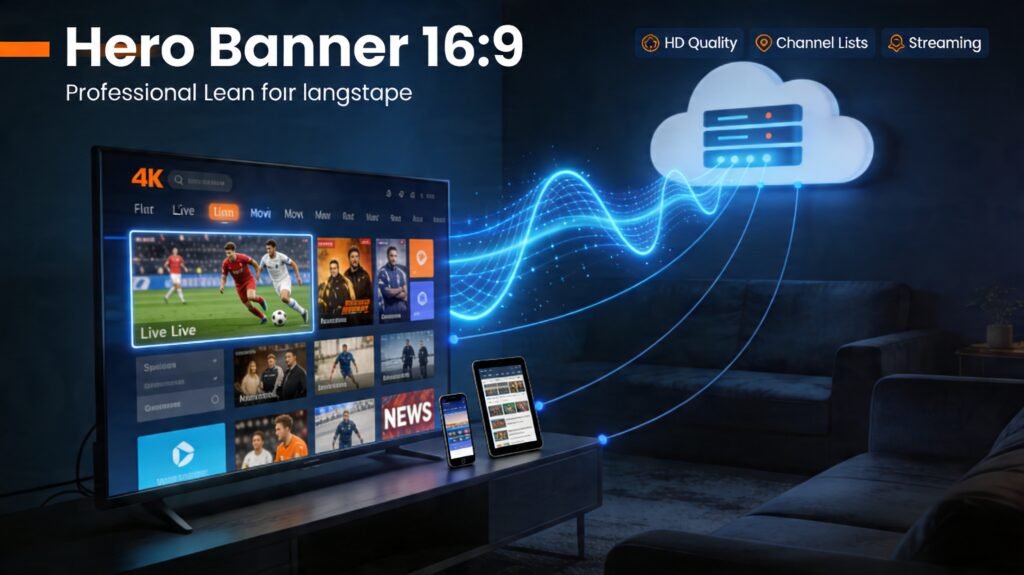
IPTV services work by sending TV content through internet networks using data packets. When you click a channel or select a movie, your device requests the stream from the provider’s server. The server then sends the video to your screen in real time.
This system is different from old broadcasting models because the content is delivered on demand over broadband internet. As long as the connection is stable and fast enough, the viewing experience can be smooth and high quality. In many cases, IPTV also supports HD and even 4K streaming.
There are usually three main types of IPTV content. Live TV is similar to traditional television and allows you to watch channels as they air. Video on demand lets you choose a film or show whenever you want. Time-shifted TV lets you replay programs that already aired, which is useful if you missed them earlier.
Benefits of IPTV Services
One of the biggest benefits of IPTV services is convenience. You can watch from many devices, which means you are not limited to a single television set. This is helpful for families, travelers, and users who want entertainment on the go.
Another major advantage is content variety. IPTV services often offer international channels, sports packages, entertainment channels, and niche content that may not be available through standard cable. This wider selection makes it attractive for users with specific viewing preferences.
Cost is also a strong reason people switch to IPTV. Many users find IPTV more affordable than traditional TV bundles, especially when they compare the number of channels and features included. In addition, IPTV often gives you more control over what you pay for.
Flexibility is another important factor. Users can choose monthly, quarterly, or annual plans depending on the provider. Some services also offer free trials, which help you test the quality before committing to a subscription.
What to Look for in a Provider
Choosing the right IPTV provider is essential if you want a smooth experience. The first thing to check is stream stability. A service may look attractive on paper, but if the channels buffer constantly or disappear often, it will not be useful in practice.
Channel selection is another important point. A good provider should offer the channels and categories that matter to you, whether that means sports, news, movies, kids content, or international programming. It is better to focus on relevant content instead of chasing the largest channel count.
Device compatibility should also be checked. Make sure the service works on the devices you already use, such as smart TVs, Fire TV, Android TV, iPhone, Android phone, or PC. A provider with flexible access will save you time and frustration.
Customer support matters more than many people realize. If your service has an issue, quick support can make a big difference. Look for providers that offer responsive communication and clear setup instructions.
Finally, always test the quality when possible. A free trial or short-term plan is often a better first choice than paying for a long subscription immediately. This gives you time to check speed, image quality, and reliability.
IPTV Services vs Traditional TV
Traditional TV still has its place, especially in households that prefer simple installation and familiar channel packages. However, IPTV services offer more control, more flexibility, and often a better fit for modern viewing habits.
With traditional TV, you are usually tied to a fixed package and limited hardware. With IPTV, you can often switch devices, move between rooms, and access content from different locations. That makes it much more adaptable.
IPTV also tends to be more interactive. Many services let users pause, replay, or browse libraries quickly. This on-demand style matches how people consume entertainment today.
That said, traditional TV can still be more stable in areas with weak internet. IPTV depends heavily on connection quality, so users should make sure their internet speed is adequate before switching.
Common Problems With IPTV
Like any digital service, IPTV can have issues. Buffering is one of the most common problems, and it usually happens when the internet connection is too weak or the provider’s servers are overloaded. A stable connection is important for good performance.
Another issue is service downtime. Some providers do not maintain their systems properly, which can lead to channel interruptions or missing content. This is why choosing a reputable provider matters so much.
Device setup can also be confusing for beginners. Some IPTV services require apps, playlists, or login configurations that are not always easy for first-time users. A good provider should offer clear setup guidance.
There is also the issue of legal and licensed content. Users should always make sure they understand whether a service is properly authorized to distribute the channels it offers. That protects both the customer and the business.
How to Choose the Best IPTV Services
The best IPTV services are not always the ones with the highest number of channels. Instead, they are the ones that combine reliability, good support, strong content selection, and fair pricing.
Start by listing your priorities. If you care most about sports, focus on providers with strong sports coverage. If you want family entertainment, look for broad channel variety and video-on-demand options. If you travel often, device flexibility matters more.
Then compare service quality. Check whether the provider offers a trial, a refund policy, or short-term plans. These options reduce risk and help you judge whether the service is worth keeping.
You should also read the service terms carefully. A serious provider will explain how the subscription works, what devices are supported, and what kind of support is included. Transparency is always a good sign.
Best Use Cases for IPTV
IPTV services are useful for many kinds of viewers. Families may use them to access international channels and children’s entertainment. Sports fans often like IPTV because it can provide access to live events and specialized sports packages.
People living abroad also benefit from IPTV, especially when they want access to channels from their home country. This makes IPTV popular among international households and multilingual families.
Business users may also find IPTV helpful in hospitality settings, waiting rooms, or shared entertainment spaces. In those cases, the ability to manage multiple screens and content categories can be valuable.
Frequently Asked Questions
What are IPTV services?
IPTV services are television services delivered over the internet instead of through satellite or cable.
Do IPTV services work on smart TVs?
Yes, many IPTV services work on smart TVs, Android TV, Fire TV, smartphones, tablets, and computers.
Is IPTV better than cable?
It depends on your needs. IPTV often offers more flexibility and better device support, while cable may be simpler in areas with weak internet.
Do I need a fast internet connection?
Yes, a stable and fast connection is important for smooth streaming, especially for HD and 4K content.
Can I test IPTV before buying?
Many providers offer trials or short-term plans, which is the best way to evaluate quality before subscribing.
Final Thoughts
IPTV services offer a modern way to watch television with more flexibility, better device compatibility, and a wider range of content options. For many users, they are a strong alternative to traditional cable or satellite TV.
The key is choosing a provider that is stable, transparent, and aligned with your viewing needs. If you focus on reliability, content quality, and support, you are much more likely to have a good experience.